

Five (Free) Things That Make or Break an Indie Film
How to elevate your film without raising the budget

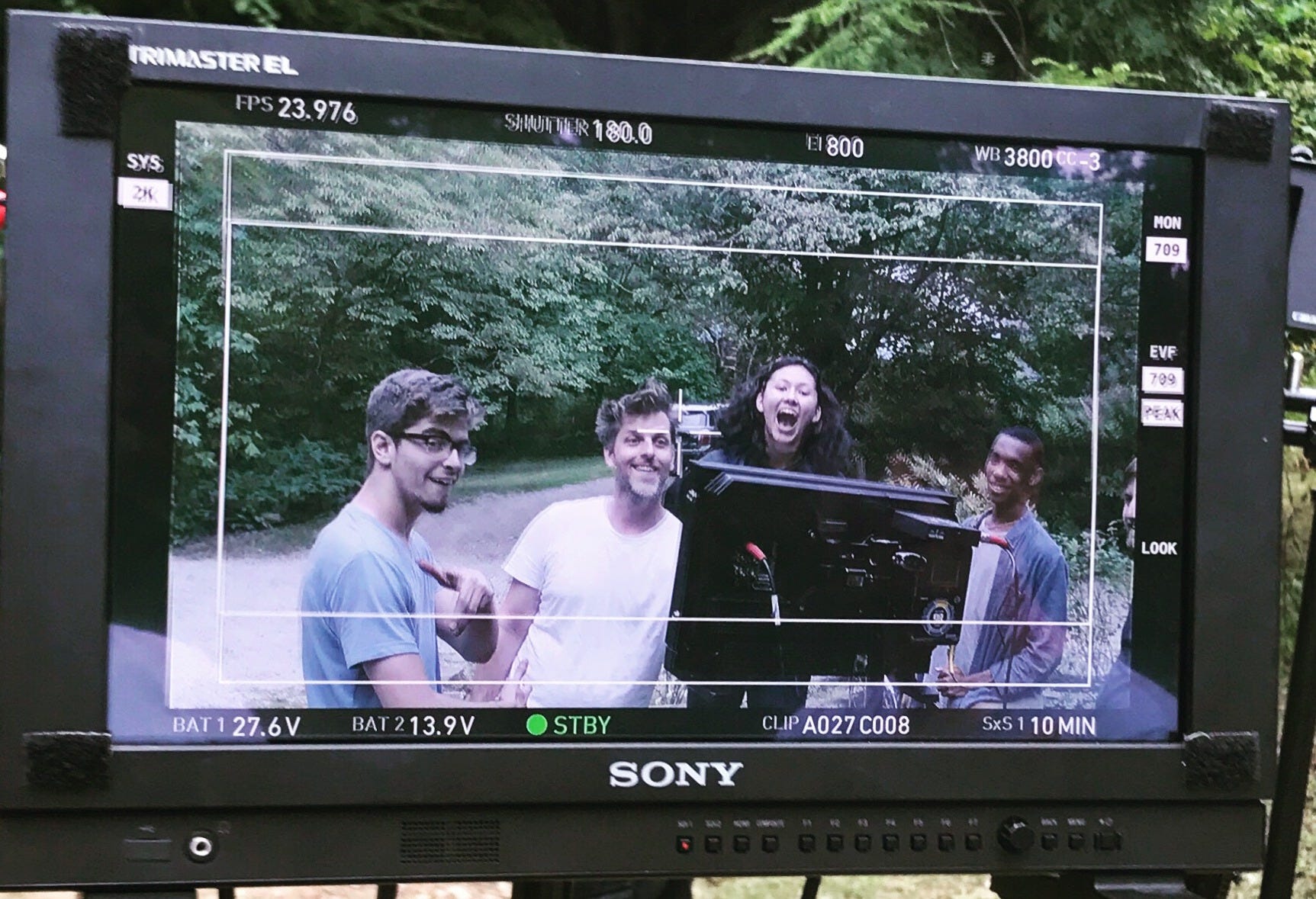
I’ve been touring film festivals since our first short film in 2012 and have seen A LOT of indie films. (For the purposes of this article, I’ll just define “indie” as “costing less than $500k and including film festivals as part of its strategy”). I’ve seen some movies that I’ve loved and some I… haven’t loved, but the vast majority are just… okay.
Often these films are well-made but missing that je ne sais quoi, that movie magic, that something that sticks with you.
So, I started thinking about what makes the biggest difference.
It’s not the budget. I’ve seen some phenomenal $15k films.
It’s not equipment. Some of my favorites were shot on DV camcorders.
It’s not even inherent talent. I’ve seen artists who have never held a camera surround themselves with talented collaborators who elevate their craft (it’s me, this last one is me).
Having made three films and seen hundreds, there are a few things I’ve noticed that make the biggest difference. And the best news? NONE OF THEM COST MONEY.
Here’s my checklist of the Five Things That Make or Break an Indie Film (and some tips to help you level up yours):
The idea.
Of the movies I “haven’t loved,” 90% of them were because they just didn’t have the right idea. Maybe they were vaguely reminiscent of a favorite Hollywood film, but… lesser. Forgettable. You don’t realize how unoriginal your idea is until you spend a week sitting in a theater watching movies all day (imagine what it’s like for a programmer!).
What is the “right” idea?
Something we haven’t seen before: Give us something new. A unique world, a new twist on an old plot, a character we’re not used to following.
Something told in a unique way: Wow us. A structure or style or filming method that makes it stand out from the pack.
Something deeply personal: Most importantly, make us feel something. What unique emotion do you know inside and out that you can write about with transparency and authenticity?
Your success at film festivals and eventually selling your film starts before you even start writing. I recommend coming up with 50 potential movie ideas before deciding on one to write. Get through all the crap so you can find the gold. You’re likely giving years of your life to this thing. Make sure it sings.
The script.
I see so many movies that are one rewrite away from being great. And I get it. It’s so hard to finish a screenplay, much less raise money to film one! You just want to get moving! Maybe the script isn’t perfect, but you cross your fingers the actors will bring it to life, etc…
If my writing succeeds at all, it’s NOT because I’m a great writer, it’s because I keep rewriting until the script is great. I don’t settle for draft 1 or 2 or even 100. I keep at it, never settling for “good enough”.
I put the script in front of people, do table reads, ask for specific feedback, kill my darlings (always), and keep reworking it, even once we’re on set, even in post. You’ll never have more control over the quality of your final film than in the script phase. If you’ve got that little nagging story issue that you hope no one will notice… they will always notice.
Put the work in until it’s as great as it can be.
The location.
On a low-budget feature, you are likely going to have a small handful of locations. The audience is going to spend a lot of time in these houses, barns, and coffee shops. You can’t afford a big production design team, so the best way to boost your production value is to find killer locations.
Our first feature, This World Alone (shot mostly on a farm in north Georgia), and our third, Gargantuan (shot mostly at a lakeside mansion in Charlotte, NC), were written for those specific locations. I knew where we were shooting before I even wrote the script. Not only does this give some specificity to the script and necessary restraints to push my creativity, but the locations also didn’t require much set dressing to make them work. And yes, the reason I wrote to these locations was because they belonged to friends who were offering them for free.
On our second feature, Guacamole Yesterdays, I wrote the script and then set out to find a location (ultimately ended up being my own house), and the film suffered. It required a heavy production design lift, which we didn’t have the money (or time) to pull off.
Find that perfect, beautiful location that your aunt or high school buddy owns, and write to it.
The cast.
Casting is tough. It’s also the most important aspect of your film. For 90-ish minutes, people are going to be watching your actors. You could have a killer story, but if you don’t believe the words coming out of the character’s mouth, it doesn’t matter how great the script is. Here are some practical ways to nail down great performances without paying for name talent.
See as many actors as possible. If you don’t know where to look, I’ve found some great actors on BackStage, but also just ask around! You’ve got filmmaking friends. You’ve got theater friends. Drop a post or two on the socials and see what you get. Do a first round based just on reels and headshots. Narrow that down to a handful and ask for a taped audition. Do chemistry reads (you may have two great actors who aren’t great together). Quantity will lead you to quality.
You don’t necessarily need the most talented actors; you need the actors who already feel like their characters. They have the look, the vibe, the “it” factor. I dunno, maybe actors hate this advice. But you can usually tell if an actor is right for the part before they ever start talking.
Finally, bring the actors into the creative process. Let them speak into their characters. Get their feedback and do a script pass for them. They know what’s going to sound natural. Do table reads. Rehearse. Let the character (and the script) be a living, breathing thing.
The edit.
This was a lesson I learned on our first feature. We had been editing for months. There were still issues I was having with it, but we were up against a festival deadline, and I felt like it was good enough. Now, every time I watch it, those moments take me out. Would a few little edits make a giant difference? Maybe not. But, just like with writing, the way you make anything great is to keep working at it until it’s great.
I’ve seen this with a lot of festival films as well. Scenes that should’ve started later or gotten out earlier. 1st acts that take way too long to get going (every movie we’ve made so far, we’ve had to drastically rework the first 15 minutes). A 90-minute film that should be 80.
If you want to stand out from the pack, put the time into the edit.
Idea. Script. Location. Cast. Edit. This is where I’d put my energy. Whether you’re a one-person crew or a crew of 20, if you nail these five* areas, things like equipment, budget, or schedule won’t matter.
But, I’d love to hear if you disagree!
What’s missing from this list?
*Okay there’s actually six, but it felt so obvious (and it does cost money), I didn’t include it. SOUND. Sound is really, really important. If you’re paying one person on your set, it should be the sound person. Great sound will make up for all kinds of other technical failures.
Well done. Very practical and concise. I've seen too many filmmakers try to do everything themselves without constructive feedback. We can't see what we are too close to. Great films come from great collaborations.
This should be required reading for ANY upcoming Director and Producer - especially indie Directors! It’s simple but lays out the BARE MINIMUM needed to make a proper film that can artistically and potentially commercially be a success.